
What Comes in a Los Angeles Farm Box?
A good farm box should make dinner easier before you have decided what dinner is.
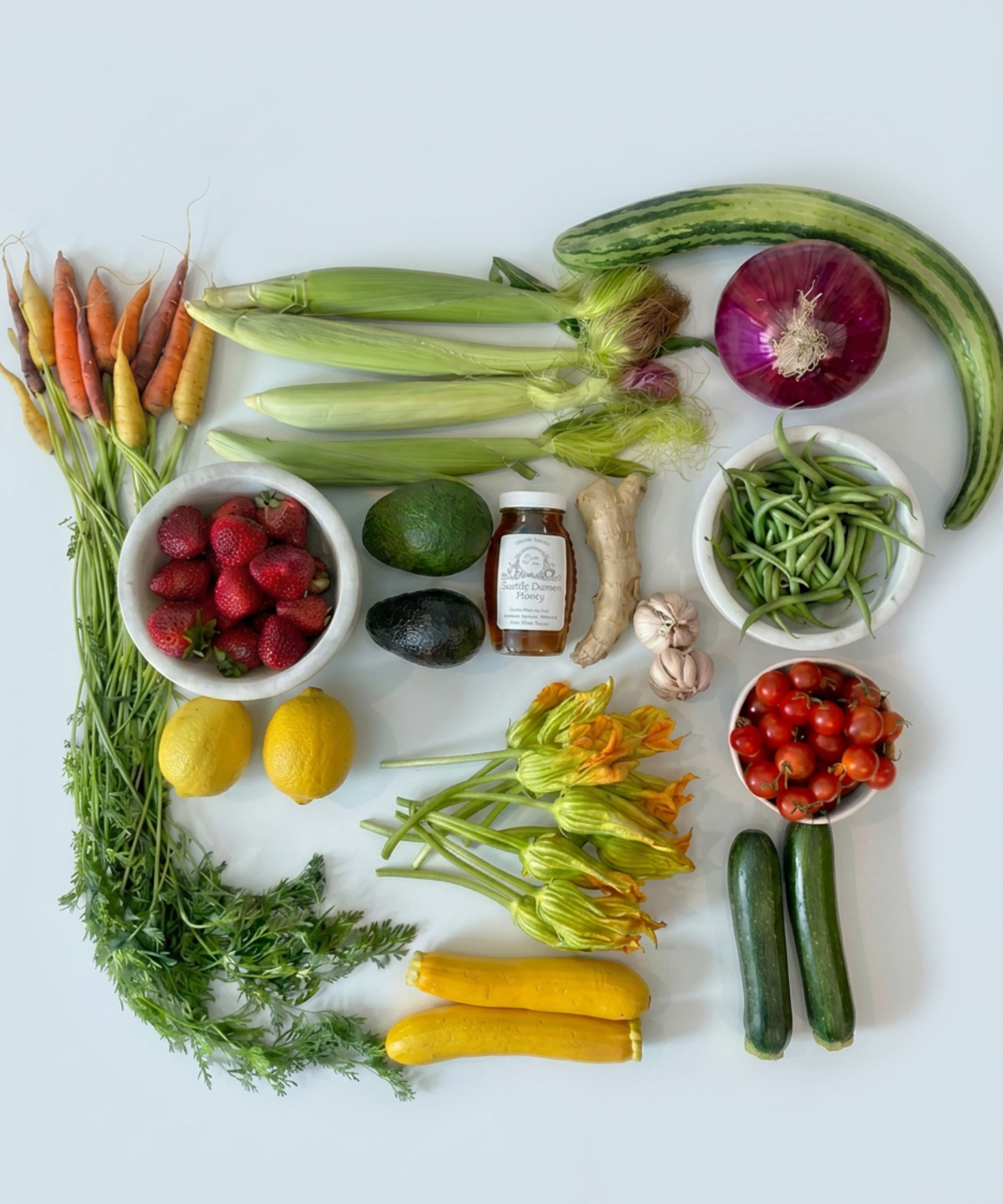
You open it and find tomatoes worth slicing immediately, vegetables substantial enough to build meals around, fruit that disappears from the counter and one or two things you may not have chosen for yourself but are very glad someone else did.
That is the point.
A Los Angeles farm box can look very different depending on who packed it, where the food came from and how closely the assortment follows the Southern California growing season.
Here is what to expect from a Market Mama box, how our sizes differ and why the contents are never exactly the same twice.
What Is a Farm Box?
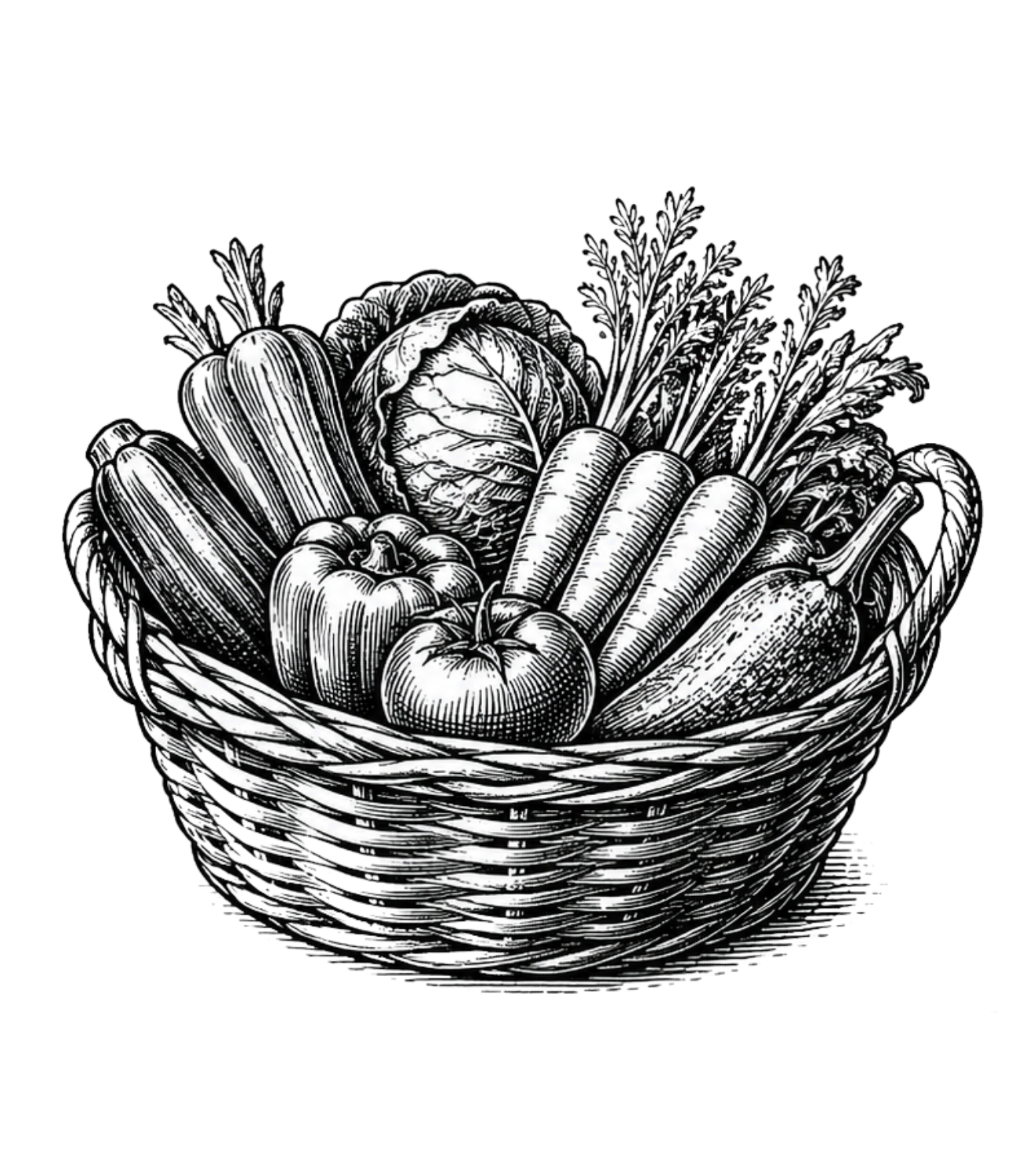
A farm box is a rotating assortment of fresh produce sourced from a farm, several farms or a farmers market.
You may also hear it called a:
- produce box
- farmers market box
- seasonal produce box
- CSA box
The terms overlap, although a traditional CSA often requires a seasonal commitment to a specific farm.
Market Mama curates across Southern California farmers and growers, which gives us room to choose what looks strongest across several harvests rather than relying on one fixed farm list.
Customers can order once or choose recurring delivery without committing to an entire growing season.
What Is Usually Inside a Market Mama Farm Box?
The assortment changes weekly, but you can generally expect a useful balance of:
- substantial vegetables
- seasonal fruit
- leafy greens
- roots or alliums
- specialty market varieties
- occasional unexpected finds
A summer box may include tomatoes, cucumbers, corn, squash, eggplant, peppers, stone fruit and melon.
A cooler-season box may lean toward citrus, brassicas, winter squash, carrots, beets, onions and sturdier greens.
The exact combination depends on what is fresh, abundant and worth bringing home that week.
We Build the Boxes Around Food You Can Actually Use
Fresh herbs can make a box look abundant, but they can also become the first thing forgotten in the refrigerator.
Market Mama keeps farm boxes focused on substantial produce you can build meals around.
Herbs are available separately so you can choose the ones you actually want, whether that is basil for tomato season, dill for fish and cucumbers, or parsley for nearly everything.
The goal is a useful box, not filler disguised as value.
Standard Farm Box
The Standard Farm Box is designed for someone who wants a generous seasonal produce haul without completely surrendering the refrigerator.
It is a good fit for:
- one or two people who cook often
- a small household
- someone trying a farm box for the first time
- shoppers who still buy a few specific groceries elsewhere
- households ordering eggs, bread or bouquets alongside the box
The Standard gives you variety while remaining manageable.
You should be able to build several meals, fill the fruit bowl and still recognize what is left by the end of the week.
Large Farm Box
The Large Farm Box is built for a fuller household, an enthusiastic cook or anyone who wants the farm box to do most of the week’s produce shopping.
It is typically packed with around 16 to 18 seasonal selections, along with one dozen eggs and one rotating HÄsi loaf.
It is a strong fit for:
- families
- households cooking most meals at home
- serious vegetable eaters
- meal-prep households
- frequent hosts
- anyone who wants a larger farmers market haul without carrying it home
This is the box for the person who sees a crowded counter and starts planning dinner.
What Counts as a Selection?
A selection refers to one type of produce included in the box.
For example:
- one bunch of carrots
- one bag or head of leafy greens
- one group of tomatoes
- one melon
- one bundle of stone fruit
- one variety of squash
The exact quantity within each selection varies by crop, size and market availability.
A selection of cherry tomatoes will not weigh the same as a watermelon, and a bunch of beets will not take up the same space as a head of cabbage.
That is why farm boxes are better understood by overall abundance and variety than by a perfectly fixed item count.
Why the Contents Change
Farms do not harvest from a permanent menu.
Heat can bring peppers in early. A cool stretch can slow tomatoes. A crop may be abundant one week and nearly gone the next. Some fruits have a long season, while others appear briefly and disappear before anyone feels ready.
Market Mama follows the market rather than forcing the same assortment every week.
That means product photographs show the general style and abundance of a box, not a guaranteed item-by-item packing list.
Seasonal substitutions are part of the experience.
Can I Choose What Goes in My Box?
Market Mama farm boxes are curated rather than fully customizable.
The value comes partly from having someone choose what looks strongest that week and build a balanced assortment around it.
Customers can still add individual products separately, including:
- farm-fresh eggs
- fresh herbs
- market bouquets
- fruit
- honey
- local specialties
- other rotating market goods
This allows you to personalize the order without turning the farm box into a conventional grocery cart.
Can I Add Eggs and Bread?
Yes.
Eggs and bread are available as additions depending on the box and current availability. The Large Farm Box already includes one dozen eggs and one rotating bread loaf.
For smaller boxes, customers can add eggs and other market goods separately when available.
This is one of the advantages of shopping Market Mama instead of ordering from a produce-only subscription. The order can cover more of the week in one delivery.
What About the Fruit Box?
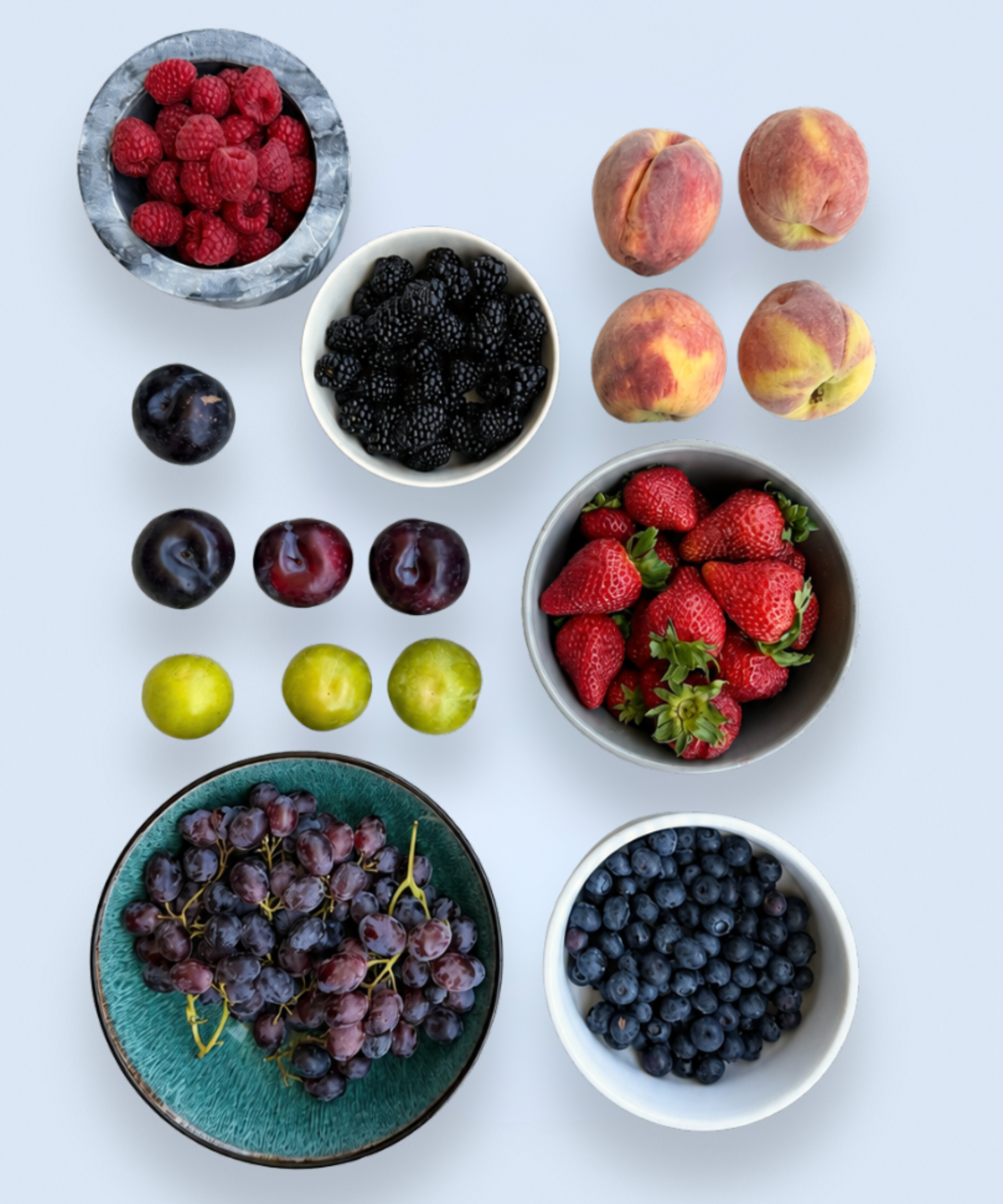
The Fruit Box is built entirely around seasonal fruit.
Depending on the time of year, it may include:
- citrus
- berries
- stone fruit
- grapes
- figs
- melons
- pears
- apples
- avocados
- specialty varieties from local growers
It is a good choice for households that go through fruit quickly, parents stocking snacks, breakfast people or anyone who would rather have extra peaches than extra kale.
The Fruit Box can be ordered on its own or alongside a farm box, eggs or other market goods.
Is Everything Local?
Market Mama prioritizes Southern California farmers and growers we know and trust.
Availability changes with the season, the farm and the product. Sourcing details are shared wherever possible, and our farmers and vendors are part of the Market Mama story rather than an invisible supply chain.
Local does not mean every item comes from one field or one county. Southern California agriculture spans several growing regions, each with different seasons and strengths.
The box reflects that wider local food system.
Is Everything Organic?
Not every Market Mama item is necessarily certified organic.
We source from farmers and growers based on quality, growing practices, seasonality and trust. Some products are certified organic, while others may come from smaller farms using thoughtful practices without formal certification.
When a certification matters to a particular product, we share it clearly.
We would rather be accurate about sourcing than use “organic” as a vague marketing blanket.
How Much Food Is in a Farm Box?
That depends on the size you choose, how often you cook and how much produce your household eats.
The Standard Farm Box is intended to feel generous but manageable.
The Large Farm Box is closer to a serious weekly market haul and is typically packed with around 16 to 18 seasonal selections, eggs and bread.
A household that cooks most meals at home will move through a box differently from one that eats out several nights a week.
Choose based on your real habits, not the fantasy version of yourself who meal preps every Sunday.
Will I Know Exactly What Is Coming?
Not always.
Market Mama boxes are packed around current availability, and the assortment may shift close to delivery day.
That is part of buying food connected to an actual harvest.
You can expect a balanced, generous selection aligned with the box you ordered. You should not expect the exact same tomatoes, greens or fruit shown in a photograph taken several weeks earlier.
The market gets a vote.
How Is This Different From Grocery Delivery?
Conventional grocery delivery usually begins with a fixed digital catalog.
A farm box begins with the harvest.
Market Mama chooses across Southern California farmers and growers, brings the order together close to delivery day and packs around seasonality rather than a permanent inventory list.
The result is less predictable than clicking the same supermarket cucumber every week.
It is also much more interesting.
Which Farm Box Should I Choose?
Choose the Standard Farm Box when you want variety, cook regularly and need a manageable weekly amount.
Choose the Large Farm Box when you have more people to feed, cook most meals at home or want a fuller farmers market haul with eggs and bread already included.
Choose the Fruit Box when fruit disappears quickly in your house or you want something that can stand alone as snacks, breakfast and dessert.
You can also combine them when one box is not going to cut it.
Los Angeles Farm Box Delivery
Market Mama delivers throughout much of Los Angeles every Wednesday, Saturday and Sunday.
Local delivery is $7 with a $30 minimum order. Enter your ZIP code at checkout to confirm that your address is within the current delivery area and view available dates.
Each order is packed close to delivery day and brought directly to your door.
Bring the Market Home
Shop seasonal produce boxes, farm boxes and farmers market boxes sourced from Southern California farmers and delivered throughout Los Angeles.
View Los Angeles Delivery Areas
Bring Market Mama home.
Read more
Farm box, produce box, farmers market box, CSA box. The names often get used interchangeably, but they do not always describe the same kind of service. Some boxes come directly from one farm. Some ...
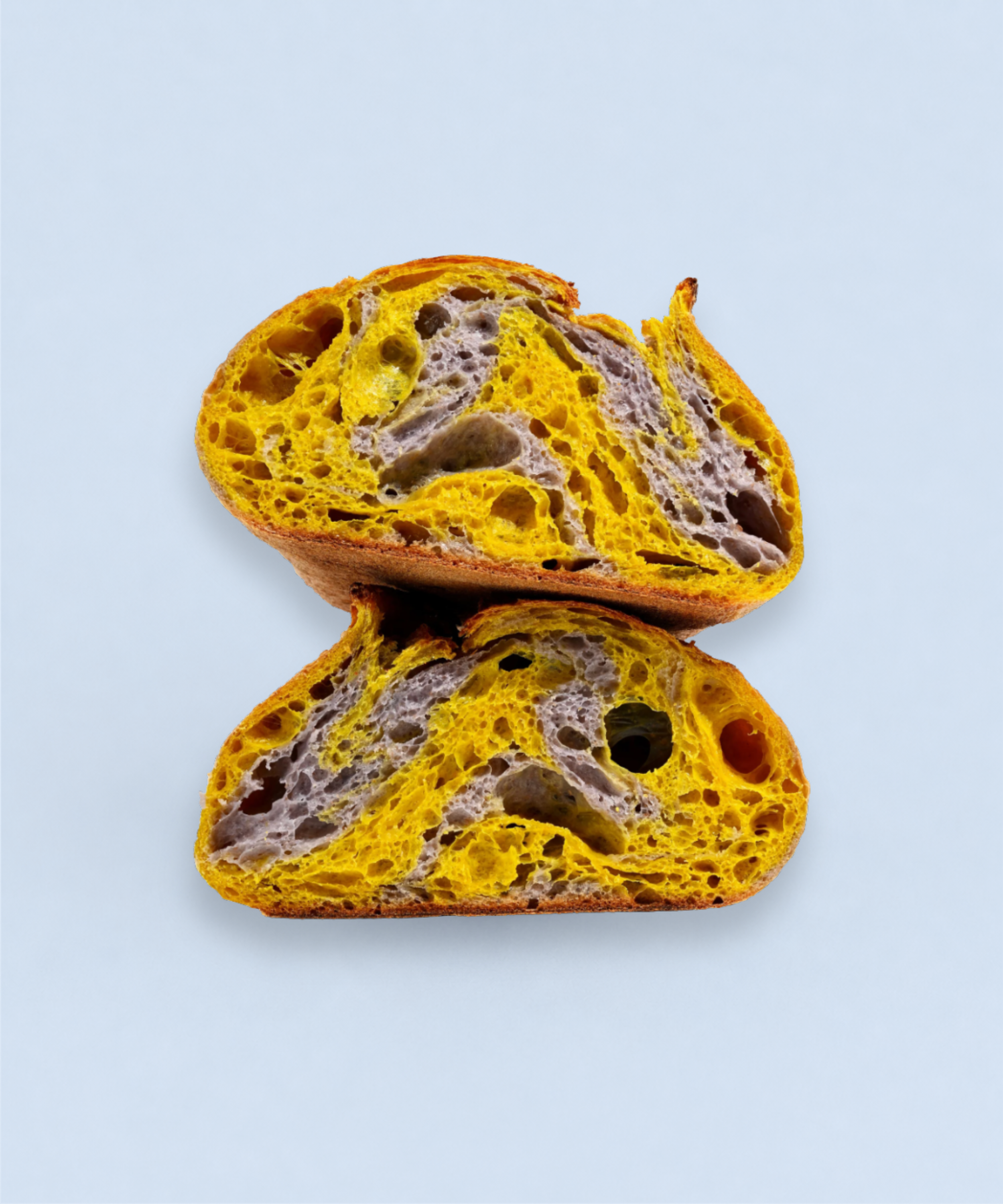
There are loaves you buy because you need bread, and then there are loaves you rearrange breakfast, lunch or dinner around.Häsi Bread falls firmly into the second category.Beginning July 6, Market ...




Leave a comment
All comments are moderated before being published.
This site is protected by hCaptcha and the hCaptcha Privacy Policy and Terms of Service apply.