

Fuyu vs. Hachiya: How to Pick, Ripen and Use Persimmons
Every fall, someone bites into the wrong persimmon.
It happens to good people. They bring home a beautiful orange fruit, slice into it with confidence, and a moment later their mouth feels like it has been upholstered in felt.
That was almost certainly a Hachiya eaten too early. And it is not the fruit’s fault. It simply wanted more time.
The two persimmons you are most likely to meet at Los Angeles farmers markets, Fuyu and Hachiya, look like cousins but behave like completely different fruits. Here is how to tell them apart, how to ripen them, and what to do with them once they are ready.
How to Tell Fuyu and Hachiya Apart
The fastest way is shape.
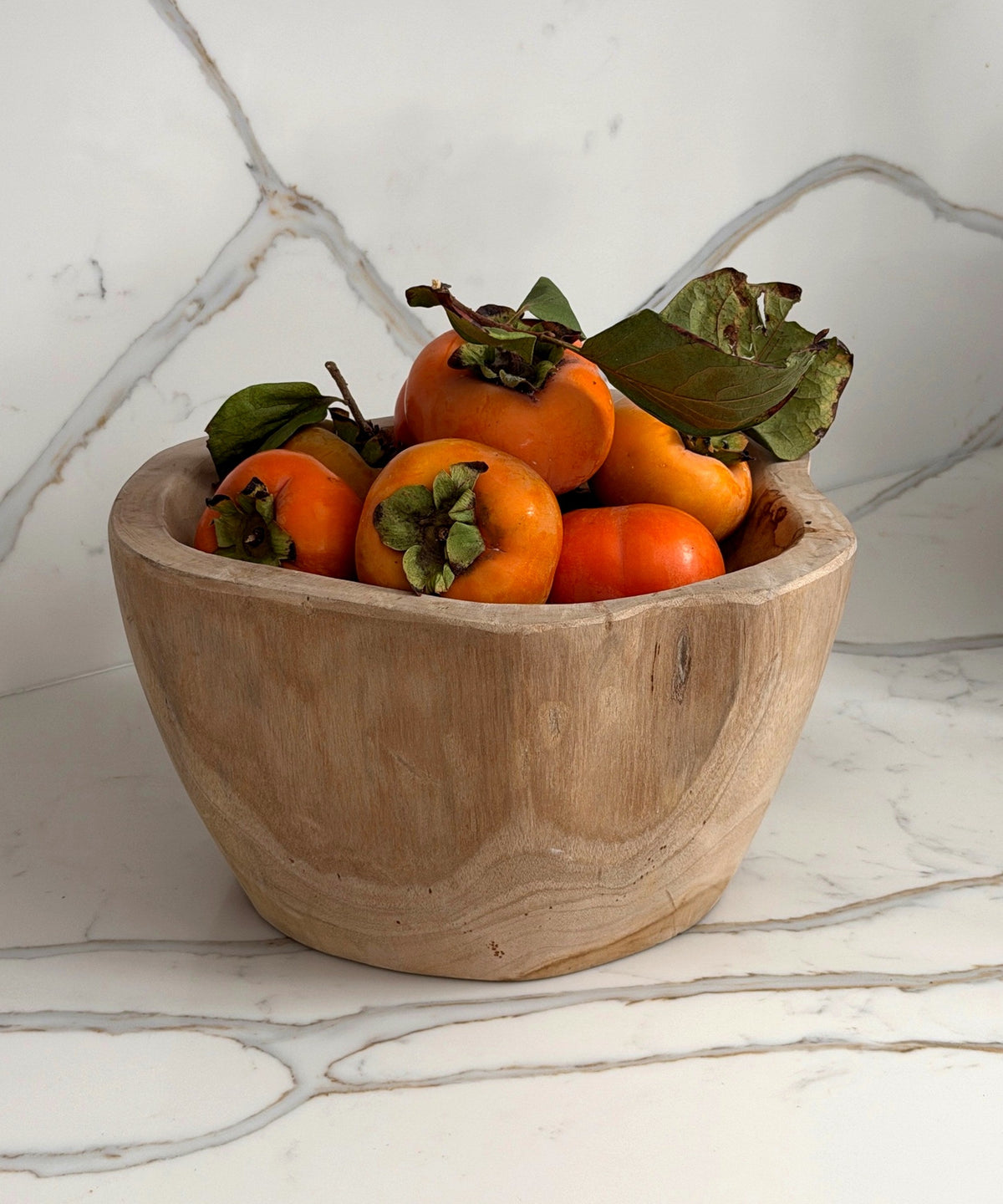
Fuyu persimmons are squat and flat on the bottom, a little like a tomato. They are the persimmon you can eat while still firm, sliced like an apple, skin and all.
Hachiya persimmons are taller and pointed at the bottom, closer to an acorn or an elongated heart. They must be fully, almost alarmingly soft before you eat them.
If you are ever unsure at the market, ask the farmer. They have watched this mistake happen many times and are usually happy to prevent another one.
Astringent vs. Non-Astringent, Explained Simply
Persimmons fall into two broad groups.
Non-astringent varieties, like Fuyu, can be eaten firm. They are sweet and crisp from the moment they are ripe enough to pick.
Astringent varieties, like Hachiya, are full of tannins until they ripen completely. Those tannins are what create that dry, fuzzy, puckering feeling. As the fruit softens, the tannins become much less noticeable, and the flesh turns silky, jammy and deeply sweet.
In other words, a Hachiya is not a worse persimmon. It is a persimmon with boundaries.
How to Ripen Hachiya Persimmons
Patience is the main ingredient, but there are a few ways to help things along.
On the Counter
Set Hachiyas stem side down on a plate or tray at room temperature and leave them alone. Depending on how firm they were when you brought them home, this can take anywhere from several days to a couple of weeks.
In a Paper Bag With an Apple or Banana
To speed things up, put your Hachiyas in a paper bag with an apple or a banana and fold the top closed. Those fruits give off ethylene, a natural ripening gas, and the bag keeps it close. Check every day or two.
How to Know When a Hachiya Is Ready
A ripe Hachiya should feel like a water balloon. The skin turns deep orange, sometimes slightly translucent, and the fruit gives completely when you press it gently. If you think it might be ready, give it another day or two.
It will look a little past its prime. That is the point.
How to Pick and Ripen Fuyu Persimmons
Fuyus are far more relaxed. Look for fruit with deep orange color, smooth skin and a bit of weight. They can be eaten firm and crisp, or left on the counter a few extra days if you prefer them a little softer and sweeter.
Avoid any with large bruised or mushy spots, unless you plan to bake with them soon.
How to Store Persimmons
Fuyu: Keep them on the counter for a few days of easy snacking. If you bought more than you can eat that week, the refrigerator will help them hold a little longer.
Hachiya: Ripen on the counter. Once fully soft, eat or use them within a day or two, or chill them briefly if you need a little extra time.
Freezing: Ripe Hachiya pulp freezes beautifully. More on that below.
Ways to Use Fuyu Persimmons
- Salads: Thinly slice into wedges with bitter greens, pomegranate, toasted nuts and a sharp vinaigrette.
- With yogurt: Diced over thick yogurt with a drizzle of honey and a little cinnamon.
- Cheese boards: Fuyu slices sit very comfortably next to aged cheeses, soft cheeses and crackers.
- Roasted: Cut into wedges, toss with olive oil and roast alongside winter squash or sweet potatoes.
- Salsa: Finely diced with red onion, cilantro, lime and a little chile for something bright next to roasted meats.
- Straight up: Sliced, standing at the counter. This is the most common recipe.
Ways to Use Hachiya Persimmons
- With a spoon: Slice off the top of a fully ripe Hachiya and eat the inside like pudding.
- Persimmon bread: Hachiya pulp makes a moist, spiced quick bread that tastes like the holidays without trying very hard.
- Smoothies and oats: Stir the pulp into oatmeal or blend it with yogurt and banana.
- Pudding and baking: Use it anywhere you might use a fruit puree, from steamed persimmon pudding to muffins and cookies.
- Frozen pulp: Scoop ripe pulp into containers or ice cube trays and freeze it for winter baking.
- Frozen whole: A frozen ripe Hachiya, thawed slightly and eaten with a spoon, tastes a lot like sorbet.
If you happen to see hoshigaki at the market, buy some. These are Japanese-style dried persimmons, traditionally made from astringent varieties like Hachiya that are peeled, hung and gently massaged over several weeks until they become dense, chewy and naturally sugary. It is slow food in the most literal sense.
When Is Persimmon Season in California?
California persimmon season generally runs from fall into early winter. The first fruit can start showing up in September or October, and persimmons often stay around into December, depending on the farm, the variety and the weather.
That timing puts them right on the Thanksgiving table. Sliced Fuyus brighten a salad, and Hachiya bread is a very respectable thing to bring as a guest.
See what else is at its best right now in our guide to what’s in season in Los Angeles in November.
When persimmons are in season, they often show up in our Fruit Box, which follows the harvest and changes each week with what our farmers are picking.
Persimmon FAQ
Can You Eat Persimmon Skin?
Yes. Fuyu skin is thin and perfectly edible, so there is no need to peel unless you prefer to. Hachiya skin is edible too, but once the fruit is fully soft most people scoop out the flesh and leave the skin behind.
Why Does My Mouth Feel Fuzzy After Eating a Persimmon?
You most likely ate an astringent persimmon, usually a Hachiya, before it was fully ripe. The tannins in underripe fruit create that dry, chalky, puckering feeling. It passes. Next time, wait until the fruit is completely soft.
Can You Freeze Persimmons?
Yes. Ripe Hachiya pulp freezes very well for baking, and whole ripe Hachiyas can be frozen and eaten slightly thawed, like sorbet. Fuyus can be sliced and frozen for smoothies, though they lose their crunch.
Let the Persimmons Set the Pace
Fuyus are for now. Hachiyas are for later. Keep a few of each on the counter this fall and you will always have something to slice, something to wait for and something to bake.
A persimmon ripens on its own schedule, not yours. That is a big part of its charm.
Read more
Thoughtful, local client and employee gift ideas in Los Angeles, plus timing, budgets and etiquette for corporate gifting this holiday season.
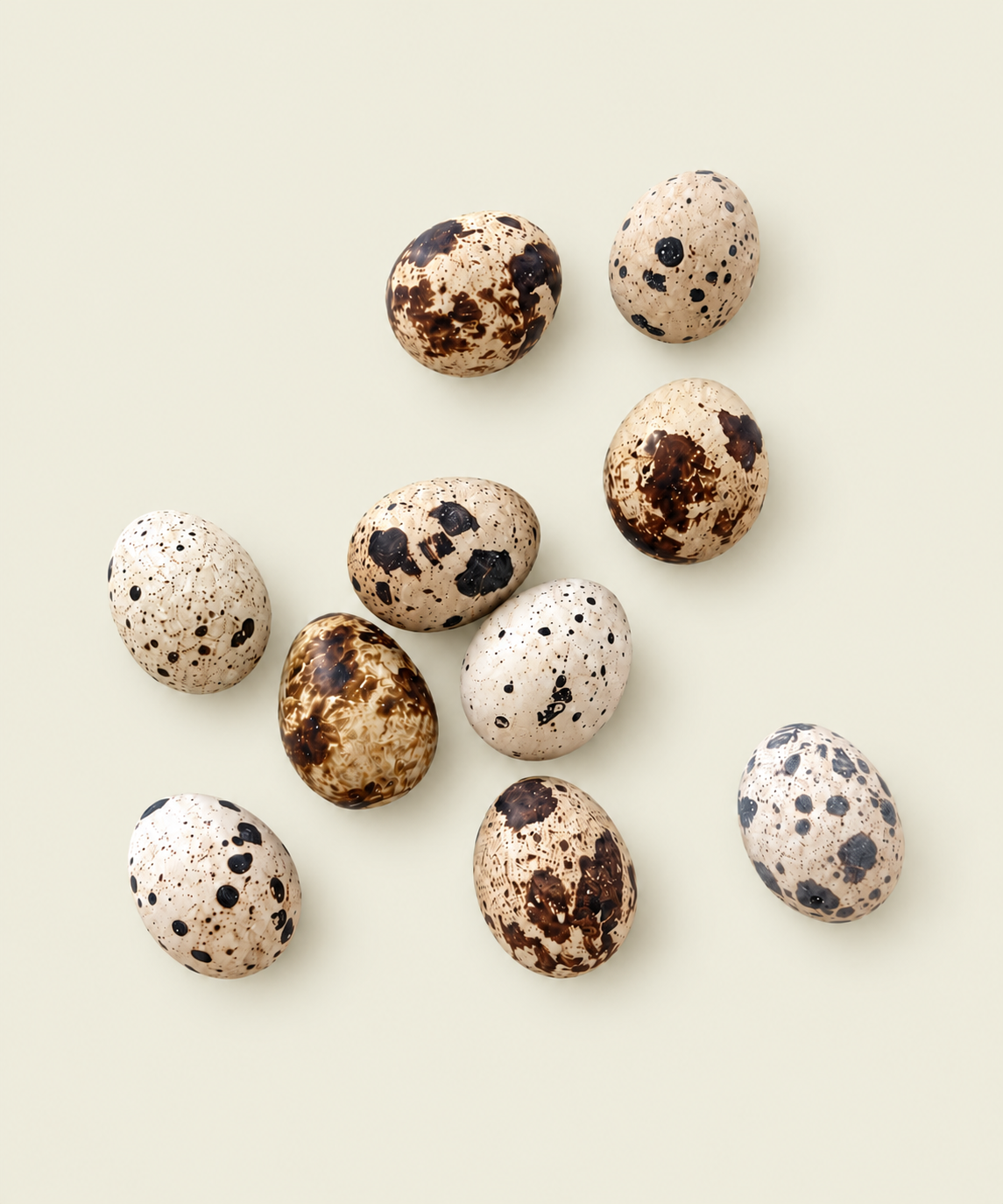
How long to boil quail eggs for soft, jammy or hard yolks, the easiest way to open and peel them, and our favorite ways to eat them, from ramen to toast.




Leave a comment
All comments are moderated before being published.
This site is protected by hCaptcha and the hCaptcha Privacy Policy and Terms of Service apply.