

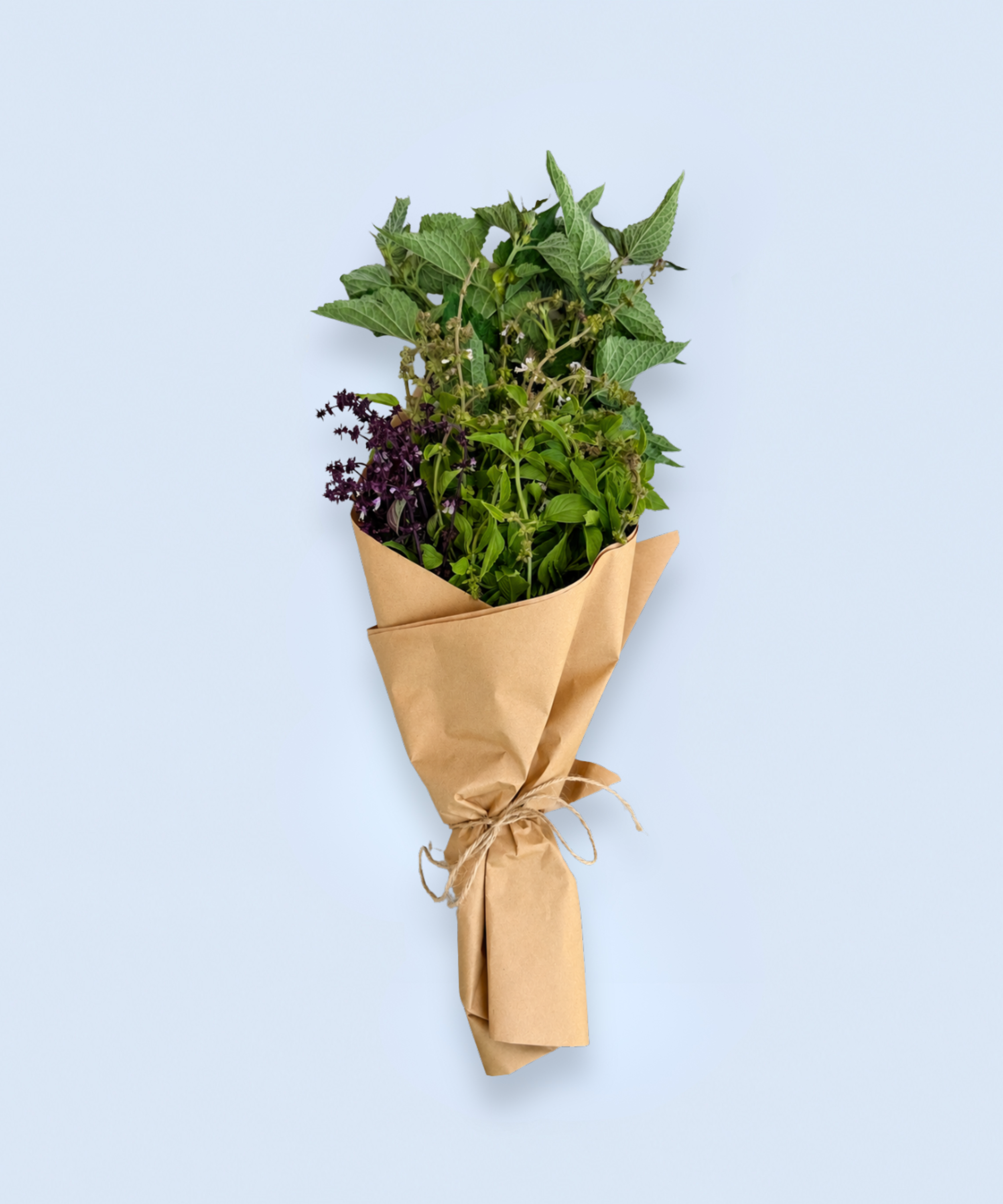
How to Store and Use Fresh Herbs So Nothing Goes to Waste
Fresh herbs have a familiar way of entering the kitchen with excellent intentions.
You buy a bunch for one recipe, use six leaves and place the rest in the refrigerator. A few days later, the cilantro has collapsed, the basil has turned black and the parsley is beginning to resemble something found at the bottom of a pond.
It does not have to end this way.
With the right storage method and a few flexible ideas, one bunch of herbs can move through an entire week of meals instead of becoming an expensive addition to the compost bin.
Start by Knowing What Kind of Herb You Have
Fresh culinary herbs generally fall into two useful categories.
Tender herbs
These have soft leaves and stems that are usually edible:
- Basil
- Cilantro
- Parsley
- Dill
- Mint
- Chives
- Tarragon
Tender herbs bring brightness and freshness. They are generally best used raw or added near the end of cooking, when their flavor and color can remain intact.
Woody herbs
These have firmer stems and more durable leaves:
- Rosemary
- Thyme
- Sage
- Oregano
- Marjoram
- Lavender
Woody herbs can usually handle longer cooking. They are well suited to roasting, braising, soups, beans, sauces and anything that benefits from slowly absorbing their flavor.
Knowing which type you have helps determine both how to store it and when to add it to a dish.
How to Store Cilantro and Parsley
Cilantro and parsley are often treated like flowers because, structurally, that is more or less what you have brought home: a bundle of leafy stems that still needs access to water.
Trim a small amount from the bottom of the stems and place the bunch in a jar with about an inch of fresh water.
Cover the leaves loosely with a reusable produce bag or clean plastic bag and place the jar in the refrigerator. Change the water every day or two and remove any leaves that begin to yellow.
Keep the leaves mostly dry. Excess moisture sitting on delicate foliage can encourage faster deterioration.
This method also works well for dill, although dill is more fragile and should be checked frequently.
How to Store Fresh Mint
Mint can be stored much like parsley.
Trim the stems, place them in a jar with a little water and refrigerate them under a loose covering. Change the water regularly.
Before putting mint away, inspect the bunch carefully. Remove any bruised or darkened leaves so they do not hold moisture against the healthier ones.
Mint is surprisingly useful beyond garnish. Add it to fruit, cucumbers, yogurt, salads, iced tea, sparkling water, grain bowls and sauces.
How to Store Fresh Basil
Basil is the exception that causes the most trouble.
It dislikes cold temperatures and can blacken quickly in the refrigerator. Treat a healthy bunch of basil like a small bouquet.
Trim the stems and place the basil in a jar of water on the counter, away from direct sunlight and strong heat. Change the water regularly and use the leaves as they become ready.
Do not crowd or crush them. Basil bruises easily.
A very warm Los Angeles kitchen may shorten its life, so pay attention to the actual conditions in your home. The goal is a temperate place, not a sunny windowsill in July.
How to Store Rosemary, Thyme, Sage and Oregano
Woody herbs generally prefer a different approach.
Wrap them loosely in a barely damp paper towel or clean kitchen cloth, then place them in a container or bag in the refrigerator.
The towel should not be wet enough to leave the herbs sitting in moisture. You are trying to prevent them from drying out without creating a damp environment where they soften or develop mold.
Check the herbs every few days and replace the towel when needed.
Because woody herbs are less delicate, they often outlast tender bunches and give you more time to decide what to make.
Should You Wash Herbs Before Storing Them?
Washing herbs before storage can be convenient, but putting them away while wet can shorten their life.
When possible, store them unwashed and rinse only what you plan to use.
When you prefer to wash everything at once, dry the herbs thoroughly before storing them. A salad spinner is useful for larger bunches. You can also spread the herbs across a clean towel and allow surface moisture to evaporate.
Always wash fresh herbs under clean running water before eating or cooking with them. Avoid soaking them for long periods.
Use the Stems Too
The leaves get all the attention, but many tender herb stems are completely usable.
Cilantro stems are flavorful and tender enough to chop into salsa, sauces, soups, beans and marinades.
Parsley stems can be finely chopped into salads or added to broth, grains and sauces.
Soft basil stems can be blended into pesto or added to tomato sauce.
Dill stems can flavor potatoes, soups, pickles and fish.
Woody rosemary and thyme stems are generally too tough to chop into a finished dish, but whole sprigs can flavor soups, beans, roasts and broths before being removed.
A bunch of herbs becomes far more economical once the stems stop being treated as packaging.
10 Ways to Use Fresh Herbs Before They Go Bad
1. Make an all-purpose herb sauce
Blend a generous handful of herbs with olive oil, lemon juice or vinegar, garlic and salt.
Parsley, cilantro, mint, basil and dill can be used alone or combined. Spoon the sauce over eggs, vegetables, fish, chicken, beans, grains or toast.
It does not need an official name to be useful.
2. Make pesto with something other than basil
Pesto is a method, not a basil contract.
Try parsley, cilantro, mint, arugula, carrot tops or a mixture of whatever is beginning to soften. Blend with olive oil, garlic, nuts or seeds, cheese if desired and enough acid to wake everything up.
Use it on pasta, roasted vegetables, sandwiches, eggs and grain bowls.
3. Add herbs to salad by the handful
Fresh herbs do not need to be reduced to a decorative teaspoon.
Add whole parsley leaves, torn basil, dill fronds, cilantro and mint directly to salads. They bring as much character as the lettuce and can make a simple bowl of cucumbers and tomatoes feel complete.
4. Fold them into eggs
Fresh herbs belong in scrambled eggs, omelets, frittatas and soft-boiled egg salads.
Chives, parsley, dill, cilantro and basil all work particularly well. Add tender herbs near the end so they remain bright.
5. Turn them into a yogurt sauce
Stir chopped herbs into plain yogurt with lemon, salt and grated garlic.
Use dill and mint with cucumbers, cilantro with lime, or parsley with lemon and olive oil. Serve it beside roasted vegetables, potatoes, fish, chicken or flatbread.
6. Make herb butter
Mix finely chopped herbs into softened butter with salt and lemon zest.
Roll it into a log, refrigerate it and slice off what you need for vegetables, eggs, fish, bread or pasta.
Rosemary, sage and thyme are especially good in compound butter, but tender herbs work too.
7. Add them to beans and grains
A pot of lentils, beans, rice, farro or quinoa becomes much better with fresh herbs.
Cook woody sprigs in the pot, then remove them before serving. Add tender chopped herbs after cooking with olive oil, citrus or vinegar.
This is one of the easiest ways to turn pantry food into something that tastes alive.
8. Make a herb-heavy dressing
Blend fresh herbs into vinaigrette or chop them finely and whisk them into olive oil, mustard, vinegar and salt.
The dressing can be used across several meals: first on salad, then over roasted vegetables, then spooned onto eggs or leftover grains.
9. Add them to fruit
Mint, basil and even tarragon work beautifully with summer fruit.
Add torn basil to peaches or strawberries. Use mint with melon, citrus or cucumbers. Try a little tarragon with stone fruit when you want something less predictable.
A squeeze of citrus and a small pinch of salt usually completes the job.
10. Freeze what you cannot finish
When you know you will not use a bunch in time, freeze it before it becomes unusable.
Chop tender herbs and freeze them in small portions with olive oil or water. Add the frozen portions directly to soups, sauces, beans and cooked dishes.
Woody herbs can often be frozen on their stems in a sealed container or bag.
Frozen herbs will not return with the texture of fresh leaves, so do not save them for garnish. Save them for cooking, where their flavor still earns its place.
How to Preserve Herbs for Longer
Freeze them
Freezing is one of the easiest choices for herbs that will later be cooked.
Wash and dry them thoroughly, chop if needed and freeze in small amounts. Oil works well when you expect to use the herbs in sautéed dishes. Water works well for soups and broths.
Label them. A frozen green cube becomes surprisingly mysterious after three months.
Dry them
Rosemary, thyme, oregano, sage and marjoram generally dry better than tender herbs.
Tie small, clean bunches and hang them in a dry, well-ventilated place away from direct sunlight, or use a dehydrator at an appropriate low temperature.
Once the leaves are fully dry, store them in an airtight container away from heat and light.
Leave dried leaves whole when possible and crush them as you use them. This helps preserve their aroma longer.
Make herb salt
Finely chop sturdy herbs with coarse salt and allow the mixture to dry completely before storing it in a clean jar.
Rosemary, thyme, sage and oregano work especially well. Use the finished salt on potatoes, eggs, vegetables, chicken, fish or bread.
Make a sauce and freeze it
Pesto, chimichurri and blended herb sauces can be frozen in small portions.
This is often more useful than freezing the herbs alone because the sauce is already halfway to dinner.
Can Wilted Herbs Be Saved?
Sometimes.
When tender herbs are limp but not slimy, moldy or badly discolored, trim the stems and place them in cold water. They may regain some structure after a little time.
This does not reverse decay. It only helps herbs that have lost water.
Discard herbs that smell unpleasant, feel slimy or show mold. No amount of pesto is worth negotiating with a decomposing bunch of cilantro.
Which Herbs Go With What?
When you are unsure where to begin, use these loose pairings.
Basil
Tomatoes, peaches, strawberries, zucchini, eggplant, beans, eggs and soft cheese.
Cilantro
Avocado, lime, corn, beans, tomatoes, cucumbers, peppers, eggs and grilled meat or fish.
Dill
Cucumbers, potatoes, beets, carrots, eggs, yogurt, fish and beans.
Mint
Melon, citrus, cucumbers, peas, yogurt, lamb, grains and summer drinks.
Parsley
Nearly everything savory: eggs, beans, grains, potatoes, tomatoes, fish, chicken and roasted vegetables.
Rosemary
Potatoes, beans, bread, chicken, beef, squash and roasted roots.
Thyme
Mushrooms, tomatoes, beans, onions, chicken, fish, eggs and soups.
Sage
Squash, brown butter, beans, sausage, poultry, apples and hearty grains.
These are starting points rather than rules. The fastest way to become comfortable with herbs is to stop waiting for a recipe to grant permission.
A Better Way to Bring Herbs Home
Fresh herbs should be used generously.
They are not precious garnish meant to survive in the refrigerator until a special dinner. They are part of the meal: a handful in the salad, chopped stems in the sauce, whole sprigs in the roasting pan and whatever remains preserved before it loses its chance.
Market Mama Herb Bouquets change with the season and with what our farmers are growing well. Each one is designed to be cooked with, pulled apart and used throughout the week.
Put the jar where you can see it.
That alone may save half the bunch.
Read more

Farm-fresh eggs often arrive unwashed, with their natural protective bloom still intact. Here is what that means for washing, refrigeration and safe storage at home.
Farm box, produce box, farmers market box, CSA box. The names often get used interchangeably, but they do not always describe the same kind of service. Some boxes come directly from one farm. Some ...




Leave a comment
All comments are moderated before being published.
This site is protected by hCaptcha and the hCaptcha Privacy Policy and Terms of Service apply.